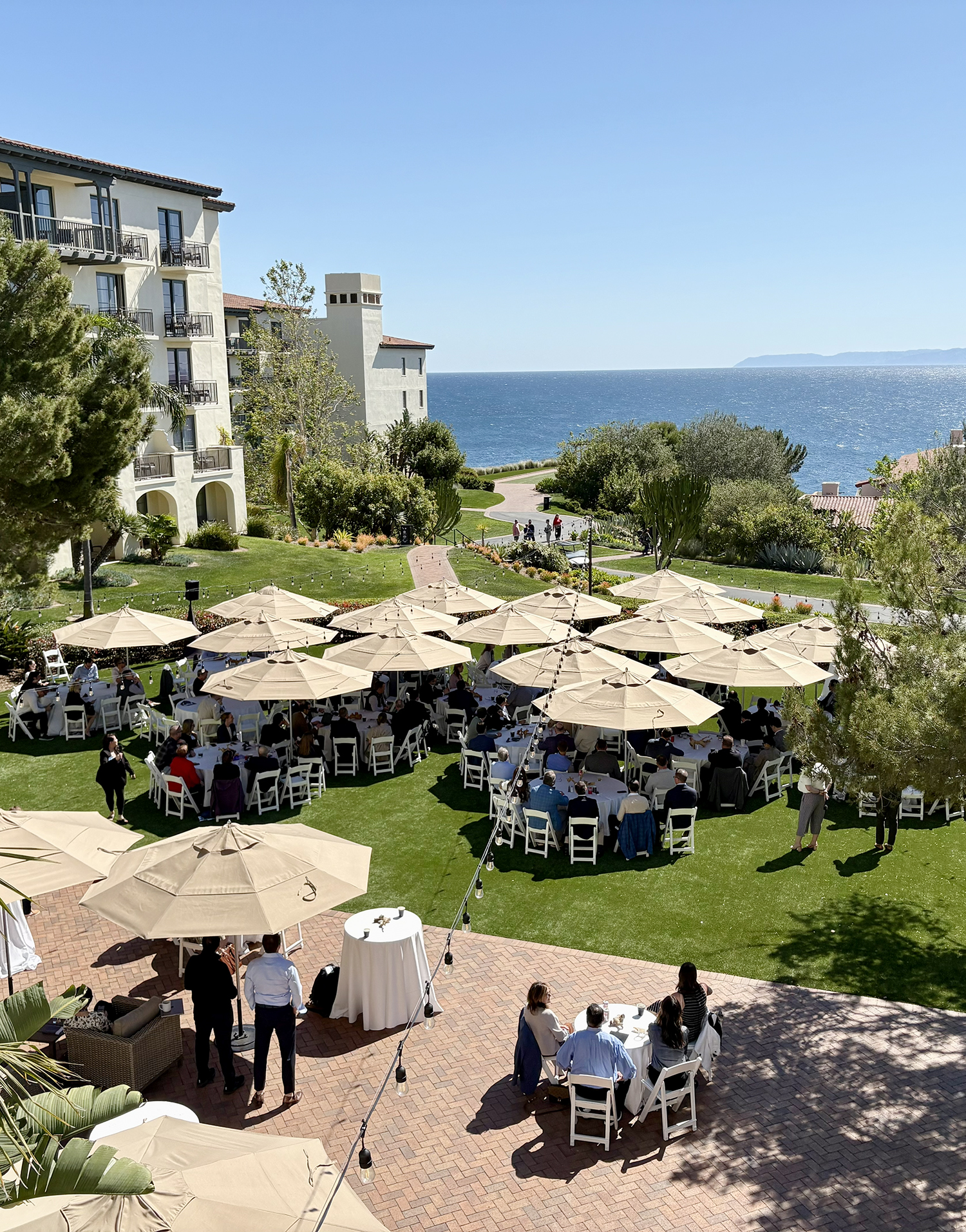
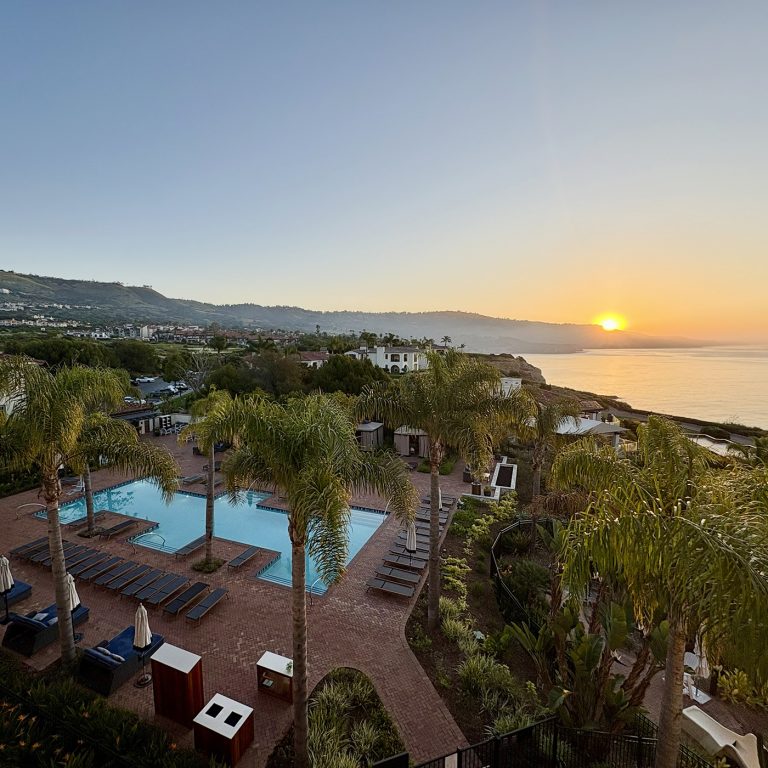
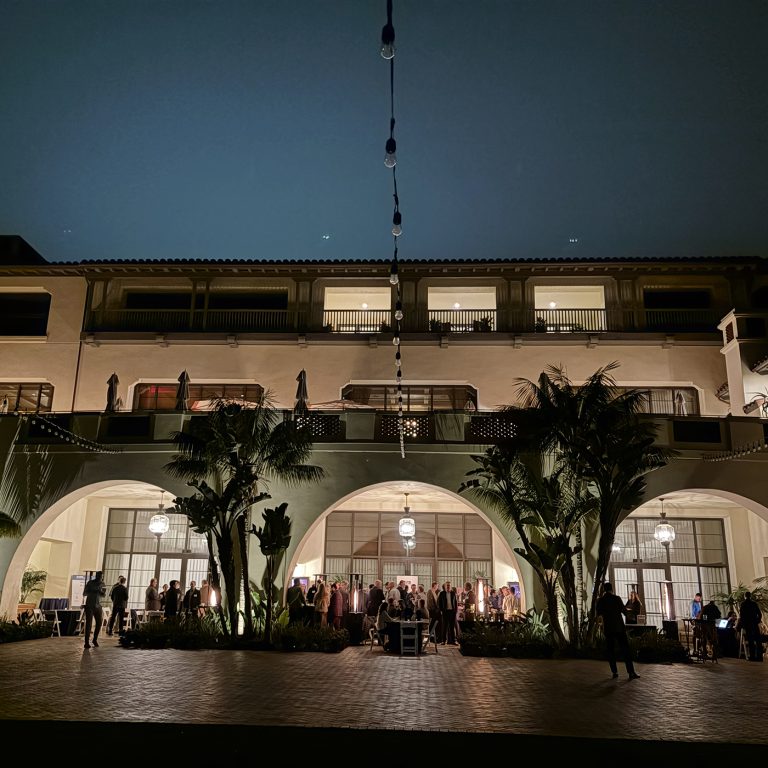
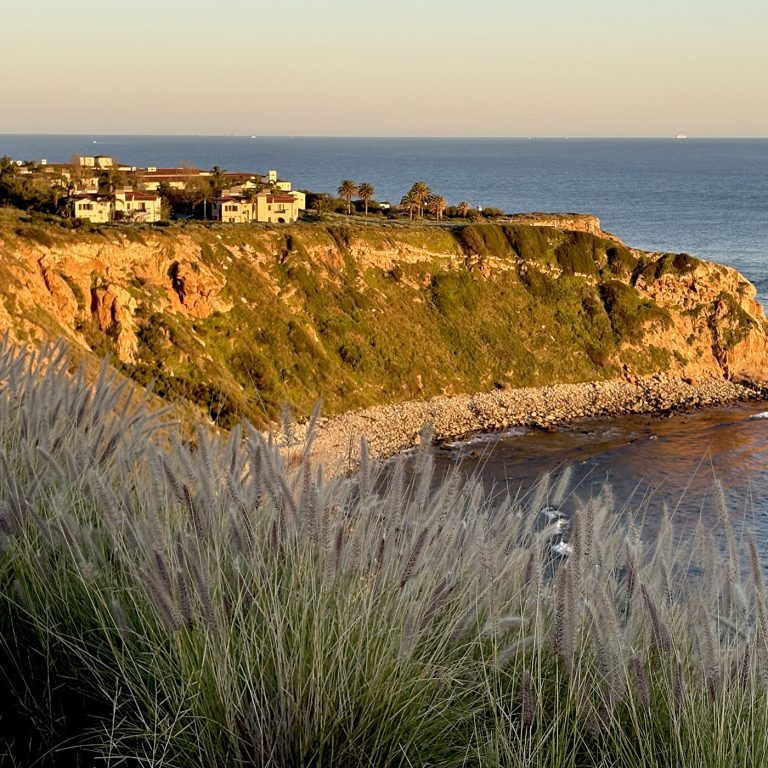
Water is the defining resource challenge of our time. SWIS brings together the investors, officials, utilities, and innovators shaping what comes next — from risk management and water transfers to infrastructure, storage, and climate capital. All of it, in one room, at Terranea Resort on the California coast.
SWIS covers the full spectrum of water finance: arbitrage and indexing, transfers and reallocation, supply strategy, and the emerging capital opportunities reshaping how we store, move, and conserve water. Whether you work in policy, development, environmental advocacy, or investment, the conversations here can’t be found anywhere else.
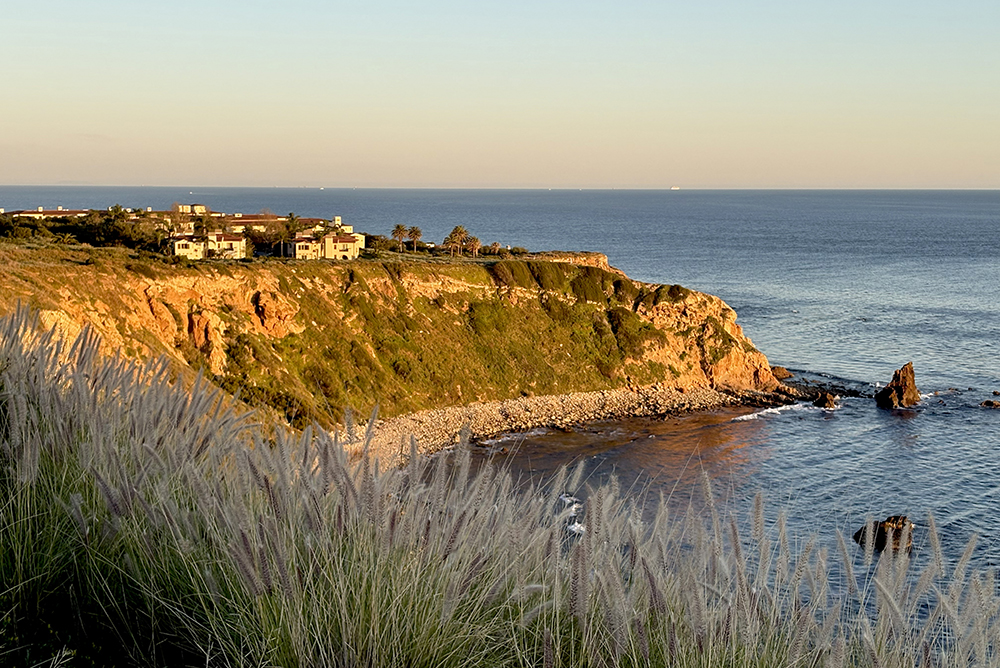
Terranea Resort offers a rare chance to step back and think bigger – alongside the peers, partners, and decision-makers driving the water sector forward. Come to learn, reconnect, and leave with the relationships and insights that move your work ahead.
SWIS is made possible by organizations at the forefront of water finance, infrastructure, and sustainable investment.
States face billions in water infrastructure needs, and costs keep rising faster than funding. State water finance leaders from across the West discuss how they prioritize projects, stretch limited dollars, and pair state programs with federal tools and private capital to close the gap.
Some communities build new supply years before they need it. Others build it in the middle of a crisis. Municipal water leaders discuss when to buy, build or wait, how to win support from councils and ratepayers, and what it really costs to move early versus late.
The West is short on water, and reuse is one of the fastest ways to create new supply. Panelists discuss how recycled water projects get financed and built, how their costs compare with traditional supply, and why capital should get on board.
A proposed interstate water exchange could bring new supply to the Lower Colorado River Basin through offshore desalination. Panelists discuss who would buy the water, what it would cost, how it gets financed, and the governance and siting questions that shape the answers.
Agriculture uses more water than any other sector in the West. Farmland returns have cooled, but long-term investors are still in the market. Investors discuss how they evaluate water rights, farmland, conservation easements and irrigation district dynamics today.
Many communities need water infrastructure faster than they can plan, finance or staff it. Private partners can help, from design-build-operate contracts to full P3s and investor-owned utilities. Yet these deals remain rare in the U.S. Panelists discuss how projects get financed, who carries the risk, and what it will take to scale.
The Sustainable Water Impact Fund was built to invest in water-resilient agriculture while delivering measurable benefits for nature and local communities. Leaders who built and advised the fund share what worked, what didn’t, and what it takes to manage water, farmland and conservation outcomes in one portfolio.
Co-authors Martin Doyle and Erika Smull discuss their new book, Water & Wall Street: Infrastructure, Finance, and Affordability in America’s Cities, out just ahead of SWIS. They share how America’s cities pay for water infrastructure and keep it affordable.
In 2026, Mina Guli ran roughly 2,000 miles along the Colorado River, from its headwaters to the delta in Mexico and on to Los Angeles. She shares photos and stories from the route, and why the river should be treated as an economic engine worth investing in, not just a supply to be divided.
Data centers are coming to the West, and they need water and power. Some communities are turning that demand into an opportunity. Panelists discuss how data center growth can help fund infrastructure upgrades, expand water supplies and create lasting value for the communities that host them.
Drought, shortage and wildfire threaten water supplies across the West, but are the markets paying attention? Panelists examine whether water risk shows up in credit ratings, bond yields and insurance premiums, where it’s being missed, and what would make capital markets price it.
The post-2026 operating rules are final — and already being fought over in court. What the deal means for water rights values, rate impacts, and who bears the cost of cuts, with Upper Basin, Lower Basin, and tribal perspectives all at the table.
Brad Herrema, BHFS
Clay Landry, WestWater Research
SWIS brings together the voices defining the future of water investment. Expect speakers from across the water finance ecosystem with hard-won insights you won’t find anywhere else.
100 Terranea Way, Rancho Palos Verdes, CA 90275
Space at the Sustainable Water Investment Summit (SWIS) is limited, and registration is available on a first-come, first-served basis. Once capacity is reached, additional registrations will be placed on a waitlist, and those registrants will be notified accordingly. Your spot is confirmed only upon receipt of a Registration Confirmation email, which will be released within one business day following receipt of your registration payment.